
How Does a Dog Act When It’s Sick? 10 Warning Signs You Should Never Ignore
How does a dog act when it’s sick?
This is one of the most common questions dog owners ask when they notice something doesn’t seem right with their furry friend. Dogs can’t express their pain the way humans do, which makes it essential for owners to recognize early warning signs that indicate illness. Understanding changes in your dog’s behavior, appetite, energy levels, or physical condition can help you catch health problems before they become serious. In this guide, we’ll explore the most important symptoms you should never ignore and how to identify them quickly.
From changes in energy levels to unusual eating habits or odd behaviors, sick dogs often display warning signs that are easy to miss if you’re not paying attention. In this guide, we’ll walk you through 10 warning signs your dog may be sick—helping you know when it’s time to take action and consult your veterinarian.
By learning to spot these signs early, you can ensure your dog receives the care they need, prevent minor issues from becoming serious, and enjoy more worry-free moments together.
Changes in Your Dog’s Behavior
Lethargy and Low Energy
One of the most common signs that a dog may be sick is lethargy or unusually low energy. Dogs are naturally active creatures, and even older or calmer breeds typically show interest in daily walks, playtime, or interaction with their owners. If you notice your dog is sleeping more than usual, reluctant to move, or avoiding activities they normally enjoy, it could be a clear indication of illness.

Lethargy can be caused by a variety of health issues, ranging from mild to serious. Some common causes include:
- Infections or Fever: Viral or bacterial infections often make dogs feel tired and weak.
- Digestive Problems: Upset stomachs, diarrhea, or dehydration can leave your dog with low energy.
- Chronic Conditions: Conditions like heart disease, kidney issues, or hypothyroidism can cause persistent fatigue.
- Pain or Injury: Dogs experiencing pain from arthritis, injuries, or other internal issues may become less active.
It’s important to pay attention to the duration and severity of lethargy. A one-off lazy day is usually normal, but persistent inactivity, combined with other symptoms such as loss of appetite, vomiting, or unusual behavior, should be taken seriously.
What to do:
- Monitor your dog’s behavior for 24–48 hours and note any other accompanying symptoms.
- Ensure your dog stays hydrated and continues to eat at least small amounts.
- If lethargy persists or worsens, consult your veterinarian immediately, as early detection can prevent more serious health problems.
By recognizing lethargy and low energy early, you can help ensure your dog gets the medical attention they need before a minor problem becomes a major health concern.

Loss of Interest in Play
For most dogs, playtime is a highlight of their day—whether it’s fetching a ball, tugging on a toy, or simply running around in the yard. When a dog suddenly loses interest in playing or engaging with their favorite toys, it can be a subtle but important sign that something is wrong.
This change in behavior often accompanies illness because dogs conserve energy when they don’t feel well. Loss of interest in play may indicate:
- Pain or Discomfort: Injuries, arthritis, or other sources of physical pain can make movement and play uncomfortable.
- Fever or Infection: Dogs fighting off infections or fever may feel too weak or lethargic to enjoy normal activities.
- Emotional Stress or Anxiety: Illness can cause dogs to withdraw emotionally, appearing disinterested in things they once loved.
- Underlying Health Conditions: Chronic illnesses such as heart disease, kidney problems, or hypothyroidism can reduce overall energy levels and motivation.
What to look for:
- Sudden changes in play behavior, such as ignoring toys, avoiding walks, or no longer running to greet you.
- Combination with other warning signs like lethargy, reduced appetite, or unusual sleeping patterns.
What to do:
- Keep a close eye on your dog’s activity levels over a few days to determine if this is a temporary change or a persistent problem.
- Offer gentle encouragement with short play sessions, but avoid forcing activity if your dog resists.
- Consult a veterinarian if the loss of interest in play is prolonged or accompanied by other symptoms, as it could indicate a serious underlying health issue.
Recognizing a loss of interest in play early allows you to identify potential health problems before they escalate, helping your dog recover faster and maintain a happier, healthier lifestyle.
Increased Irritability or Aggression
A sudden change in your dog’s temperament can be a strong indicator that something is wrong. Dogs who are normally calm, friendly, or playful may become more irritable, snappy, or aggressive when they are feeling unwell. This behavioral shift is often their way of signaling pain, discomfort, or stress, even though they can’t communicate it in words.
Common reasons for increased irritability in sick dogs include:
- Physical Pain: Injuries, arthritis, or internal discomfort can make dogs defensive or quick to snap.
- Illness or Fever: Fever, infections, or other health issues can lower tolerance and make dogs more sensitive to touch or interaction.
- Stress or Anxiety: Being unwell may increase anxiety, causing a normally gentle dog to act out.
- Neurological or Hormonal Changes: Certain medical conditions can affect brain function or hormone levels, leading to mood changes.
What to look for:
- Growling, snapping, or hiding when approached
- Unwillingness to be touched or petted in areas that previously were fine
- Sudden aggression toward family members, other pets, or even strangers
What to do:
- Respect your dog’s space and avoid forcing interaction if they seem irritable.
- Monitor their behavior and note any other symptoms, such as lethargy, loss of appetite, or vomiting, which could point to a medical issue.
- Schedule a veterinary check-up to rule out pain, illness, or underlying health conditions.
By recognizing increased irritability or aggression as a potential warning sign, you can protect both your dog and yourself while ensuring they receive the care they need. Early detection often makes treatment easier and helps restore your dog’s normal, happy behavior more quickly.
Appetite and Drinking Habits
Loss of Appetite
A sudden loss of appetite is one of the most noticeable signs that your dog may be feeling unwell. Dogs usually look forward to their meals, treats, and snacks, so skipping meals or showing little interest in food can indicate a range of health issues.
Common causes of loss of appetite in dogs include:
- Illness or Infection: Viral or bacterial infections can make dogs feel nauseous or weak, leading them to refuse food.
- Digestive Problems: Upset stomach, diarrhea, constipation, or other gastrointestinal issues often reduce a dog’s desire to eat.
- Pain or Discomfort: Dental problems, mouth sores, or internal pain can make eating uncomfortable.
- Stress or Anxiety: Changes in the environment, routine, or exposure to new pets or people can temporarily suppress appetite.
- Chronic Health Conditions: Conditions like liver, kidney, or heart disease can lead to long-term appetite loss.
What to look for:
- Skipping one or more meals in a day, especially if unusual for your dog
- Avoiding favorite treats or toys associated with food
- Sudden weight loss combined with reduced eating
What to do:
- Monitor your dog for 24–48 hours and note any other symptoms such as lethargy, vomiting, diarrhea, or behavioral changes.
- Encourage eating with small, bland meals like boiled chicken and rice, but avoid forcing your dog to eat.
- If appetite loss persists for more than a day or two, or is accompanied by other warning signs, consult your veterinarian immediately to rule out serious illness.
A loss of appetite is often one of the first warning signs of sickness in dogs. Paying attention early can help you catch health problems before they become more serious, ensuring your furry friend gets the care they need promptly.
Increased Thirst or Urination
If your dog suddenly starts drinking more water than usual or urinating more frequently, it could be a warning sign of illness. While occasional changes can be normal due to hot weather or increased activity, persistent or extreme changes often indicate underlying health issues that require attention.
Common causes include:
- Diabetes: Dogs with diabetes often experience excessive thirst (polydipsia) and increased urination (polyuria).
- Kidney or Liver Problems: These conditions can affect fluid balance in the body, leading to frequent drinking and urination.
- Urinary Tract Infections (UTIs): UTIs can cause discomfort and increased urination, sometimes with blood or accidents in the house.
- Cushing’s Disease: This hormonal disorder increases thirst and urination in dogs, especially older pets.
What to look for:
- Noticeable increase in daily water intake
- Frequent trips outside to urinate, accidents indoors, or difficulty controlling urination
- Changes in urine color, smell, or consistency
- Signs of discomfort while urinating
What to do:
- Keep track of your dog’s water intake and urination patterns for a few days.
- Ensure they have easy access to fresh water at all times.
- If increased thirst or urination persists, or is accompanied by other symptoms like lethargy, vomiting, or loss of appetite, consult your veterinarian immediately. Early detection of kidney, liver, or endocrine disorders can significantly improve your dog’s prognosis.
Changes in drinking and urination habits are often overlooked but can be critical indicators of your dog’s health. Monitoring these signs carefully can help you catch potential illnesses early and keep your dog healthy and comfortable.
Sudden Weight Loss or Gain
A noticeable change in your dog’s weight, whether it’s rapid loss or unexpected gain, is often a red flag that something is wrong. Unlike gradual fluctuations that can occur with age or minor dietary changes, sudden changes in weight usually indicate an underlying health problem that needs attention.
Common causes of sudden weight loss in dogs include:
- Illness or Infection: Chronic infections, parasites, or gastrointestinal issues can prevent your dog from absorbing nutrients properly.
- Dental or Oral Problems: Painful teeth, gum disease, or mouth injuries can make eating difficult, leading to weight loss.
- Metabolic or Endocrine Disorders: Conditions like hyperthyroidism or diabetes can affect metabolism and cause weight loss despite a normal appetite.
- Cancer: Unexplained, rapid weight loss can sometimes be an early sign of tumors or other serious illnesses.
Common causes of sudden weight gain in dogs include:
- Overeating or Poor Diet: Sudden access to high-calorie foods or treats can cause rapid weight gain.
- Hormonal or Metabolic Issues: Hypothyroidism or Cushing’s disease can slow metabolism and lead to weight gain.
- Fluid Retention: Heart, kidney, or liver problems may cause your dog’s body to retain water, giving the appearance of weight gain.
What to look for:
- Unexplained change in body shape or size
- Loss of muscle mass or a “sunken” appearance in weight loss cases
- Swelling in the abdomen or limbs for weight gain
- Changes in appetite, energy levels, or behavior accompanying weight changes
What to do:
- Monitor your dog’s weight weekly and keep track of any rapid changes.
- Adjust diet and exercise if recommended by a veterinarian.
- If weight change is sudden, unexplained, or accompanied by other symptoms like lethargy, vomiting, or increased thirst, schedule a veterinary consultation immediately.
Sudden weight changes are often one of the first visible signs that your dog may be sick. By catching them early, you can help your dog receive proper treatment and prevent more serious health complications.
Digestive and Bathroom Issues
Vomiting or Diarrhea
Vomiting and diarrhea are among the most common signs that your dog is unwell. While occasional vomiting or a loose stool may happen for minor reasons like eating something unusual, persistent or severe episodes can indicate a serious health problem that requires prompt attention.
Common causes of vomiting or diarrhea in dogs include:
- Dietary Issues: Eating spoiled food, garbage, or toxic substances can upset your dog’s stomach.
- Infections: Bacterial, viral, or parasitic infections often cause gastrointestinal upset.
- Food Allergies or Intolerances: Certain ingredients in dog food may trigger digestive issues.
- Chronic Diseases: Conditions such as pancreatitis, kidney disease, or liver problems can lead to frequent vomiting or diarrhea.
- Stress or Anxiety: Emotional stress can sometimes upset a dog’s stomach, leading to loose stools or occasional vomiting.
What to look for:
- Frequency and severity of vomiting or diarrhea
- Presence of blood, mucus, or unusual color in stool
- Signs of dehydration, such as dry gums, sunken eyes, or lethargy
- Other symptoms like loss of appetite, vomiting combined with lethargy, or sudden weight loss
What to do:
- Ensure your dog stays hydrated, as fluid loss from vomiting and diarrhea can lead to serious dehydration.
- Temporarily withhold food for 12–24 hours (but not water) if advised by your veterinarian, then reintroduce bland food gradually.
- Monitor for additional warning signs, and seek veterinary care immediately if vomiting or diarrhea is persistent, severe, or accompanied by blood, lethargy, or pain.
Vomiting and diarrhea may seem minor at first, but when they persist, they often indicate underlying health problems. Quick recognition and appropriate care can prevent complications and help your dog recover faster.
Constipation or Difficulty Urinating
Changes in your dog’s bathroom habits, such as constipation or difficulty urinating, can be subtle but important warning signs of illness. Dogs rely on regular bowel movements and urination to maintain overall health, and disruptions in these routines often signal that something isn’t right internally.
Common causes of constipation in dogs include:
- Dietary Issues: Lack of fiber, dehydration, or sudden changes in diet can lead to hard, infrequent stools.
- Obstructions: Swallowing foreign objects, hairballs, or tumors in the digestive tract can block bowel movements.
- Pain or Muscle Weakness: Conditions such as arthritis or spinal problems can make it difficult for dogs to squat comfortably.
Common causes of difficulty urinating include:
- Urinary Tract Infections (UTIs): Infections can cause pain, frequent attempts to urinate, and sometimes blood in the urine.
- Bladder Stones or Obstructions: These can block the urinary tract, leading to discomfort or inability to urinate.
- Kidney or Prostate Issues: Enlarged prostates in male dogs or kidney disease can interfere with normal urination.
What to look for:
- Straining or discomfort when trying to defecate or urinate
- Small, infrequent stools or difficulty passing urine
- Signs of pain, whining, or restlessness during bathroom breaks
- Blood in urine or stool
What to do:
- Ensure your dog has plenty of fresh water and a balanced diet to support regular digestion.
- Monitor their bathroom habits and note any changes in frequency, consistency, or difficulty.
- If constipation or urination issues persist, or if accompanied by other symptoms like vomiting, lethargy, or loss of appetite, seek veterinary attention immediately. Early detection of digestive or urinary problems can prevent severe complications.
Recognizing constipation or difficulty urinating early is key to maintaining your dog’s health. Addressing these issues promptly ensures comfort, prevents pain, and helps detect potentially serious illnesses before they escalate.
Bad Breath or Oral Issues
While it’s normal for dogs to have less-than-fresh breath, persistent bad breath or visible oral problems can be an important sign that your dog is sick. Dental health plays a major role in your dog’s overall well-being, and issues in the mouth often indicate infections, pain, or other underlying health conditions that shouldn’t be ignored.
Common causes of bad breath or oral issues include:
- Dental Disease: Plaque buildup, gingivitis, and periodontal disease are some of the leading causes of bad breath in dogs.
- Tooth Infections or Abscesses: Painful infections in the tooth or gums can cause extreme halitosis and difficulty eating.
- Foreign Objects: Sticks, bones, or debris stuck in the mouth can lead to pain, swelling, and foul odor.
- Digestive or Kidney Problems: Bad breath that smells unusually sweet, fruity, or like ammonia may indicate underlying metabolic or organ issues.
What to look for:
- Persistent foul odor coming from your dog’s mouth
- Red, swollen, or bleeding gums
- Excessive drooling or difficulty chewing
- Loose, broken, or discolored teeth
- Pawing at the mouth or reluctance to eat hard food
What to do:
- Gently inspect your dog’s mouth if they allow it, checking for obvious signs of injury, swelling, or stuck objects.
- Maintain regular dental hygiene with brushing, dental chews, or professional cleanings.
- If bad breath persists or is accompanied by symptoms like loss of appetite, swelling, or visible discomfort, schedule a veterinary exam immediately. Oral infections, if left untreated, can spread and lead to serious health complications.
Bad breath and other oral issues are more than just a minor inconvenience—they can be early indicators of illness. Addressing these problems promptly helps keep your dog comfortable, prevents infections from spreading, and protects their long-term health.
Physical Signs of Illness
Coughing, Sneezing, or Nasal Discharge
Respiratory symptoms like coughing, sneezing, or nasal discharge are often signs that your dog is dealing with an underlying health issue. While an occasional sneeze or mild cough isn’t usually a cause for concern, persistent symptoms can indicate anything from mild irritation to serious infection.
Common causes of coughing, sneezing, and nasal discharge in dogs include:
- Respiratory Infections: Kennel cough, canine influenza, or bacterial infections can cause frequent coughing and sneezing.
- Allergies: Dogs can develop allergies to pollen, dust, mold, or even certain foods, leading to sneezing and clear nasal discharge.
- Foreign Objects: Grass seeds, dust, or small debris lodged in the nose or throat can trigger sneezing fits or coughing.
- Heart Disease: Chronic coughing—especially when lying down—can be a symptom of heart problems in dogs.
- Nasal Mites: These tiny parasites can cause irritation, persistent sneezing, and nasal discharge.
What to look for:
- Persistent or worsening cough
- Thick, yellow, or green nasal discharge (often a sign of infection)
- Frequent sneezing fits or difficulty breathing
- Loss of appetite, fatigue, or fever accompanying respiratory symptoms
What to do:
- Keep your dog in a warm, stress-free environment and monitor symptoms closely.
- Avoid exposure to cold air, heavy exercise, or dusty environments until symptoms improve.
- Contact your veterinarian if coughing or sneezing lasts longer than 48 hours, becomes severe, or is paired with fever, lethargy, or refusal to eat.
- Seek emergency care if your dog shows difficulty breathing, blue gums, or extreme weakness, as these can be signs of serious respiratory or cardiac issues.
Early recognition of coughing, sneezing, or nasal discharge can help you catch respiratory infections or allergies before they worsen. Proper care and timely treatment ensure your dog can breathe comfortably and stay healthy.
Skin and Coat Changes
A dog’s skin and coat are strong indicators of their overall health. When a dog is sick, one of the first places you may notice changes is in their fur or skin condition. Healthy dogs typically have a shiny, smooth coat and clean, irritation-free skin. If you begin to see dryness, excessive shedding, bald patches, redness, or flaky skin, it could be a sign that your dog is dealing with an underlying health issue.
Common causes of skin and coat changes in dogs include:
- Allergic Reactions: Dogs can develop allergies to food, environmental factors, or grooming products. These allergies often cause itching, redness, and excessive scratching.
- Parasites: Fleas, ticks, and mites can irritate the skin, cause bald patches, and lead to infections if left untreated.
- Nutritional Deficiencies: Poor-quality diets lacking essential fatty acids or vitamins can make the coat dull and brittle.
- Hormonal or Endocrine Disorders: Conditions like hypothyroidism or Cushing’s disease often lead to thinning hair, dry skin, and recurrent infections.
- Stress or Illness: Dogs dealing with internal sickness may groom less, leading to an unkempt or matted coat.
What to look for:
- Constant scratching, licking, or chewing at the skin
- Dandruff, scaling, or noticeable bald spots
- Red, irritated, or inflamed areas
- A dull, greasy, or foul-smelling coat
What to do:
- Inspect your dog’s fur regularly for parasites, wounds, or irritated patches.
- Ensure your dog is eating a high-quality, balanced diet rich in omega-3 and omega-6 fatty acids.
- Bathe your dog with gentle, vet-approved shampoos—avoid harsh products.
- If symptoms persist, worsen, or are paired with other warning signs like weight changes, lethargy, or increased thirst, schedule a veterinary exam. Skin and coat issues often point to deeper health problems that require medical treatment.
Noticing skin and coat changes early is essential because these symptoms often reveal issues happening inside the body. Prompt action can relieve your dog’s discomfort and prevent minor skin problems from developing into more serious conditions.
Fever or Shivering
A fever or uncontrollable shivering is one of the most obvious indicators that your dog may be sick. Just like humans, dogs develop fevers as their body’s natural response to fight off infections or inflammation. While a warm nose or head might make you suspicious, the most reliable way to check for a fever is by using a dog-safe digital thermometer.
A dog’s normal body temperature ranges between 101°F and 102.5°F (38.3°C – 39.2°C). Anything above this may indicate an underlying health issue.
Common causes of fever or shivering in dogs include:
- Infections: Bacterial, viral, or fungal infections often trigger fever.
- Inflammation or Injury: Wounds, internal inflammation, or joint problems can cause fever and discomfort.
- Toxins: Ingesting harmful substances can lead to fever as the body reacts to the toxin.
- Autoimmune Disorders: Some immune-related illnesses can cause chronic or recurring fever.
Shivering or trembling can also occur with fever, but it may appear even without a high temperature. In these cases, shivering may be caused by:
- Pain or discomfort
- Anxiety or stress
- Cold temperatures
- Nausea or digestive upset
What to look for:
- Warm ears, head, or body
- Shivering, trembling, or uncontrollable shaking
- Lethargy or decreased interest in activity
- Loss of appetite or difficulty standing
- Red, inflamed eyes or nose
What to do:
- Take your dog’s temperature using a rectal thermometer specifically made for pets.
- Keep your dog hydrated and comfortable, avoiding heavy blankets that could trap heat if a fever is present.
- If the fever exceeds 103°F (39.4°C) or lasts more than 24 hours, or if shivering is severe, contact your veterinarian immediately.
- Never give human fever reducers like ibuprofen or acetaminophen—they are extremely toxic to dogs.
A fever or shivering is your dog’s way of signaling that something is not right. Early recognition and quick intervention can help prevent complications and ensure your dog gets proper treatment.
Swelling or Lumps
Finding swelling or unusual lumps on your dog’s body can be alarming, and while not every lump is dangerous, it’s always important to investigate. Dogs can develop bumps for many reasons, ranging from harmless fatty deposits to more serious medical conditions. Because dogs can’t explain when something feels painful or unusual, spotting these changes early is essential for protecting their health.
Common causes of swelling or lumps in dogs include:
- Benign Growths: Fatty tumors (lipomas) are common in older dogs and usually harmless, though they can grow over time.
- Infections or Abscesses: Bacterial infections, insect bites, or wounds can lead to painful, swollen areas filled with pus.
- Allergic Reactions: Allergies to food, plants, or insect stings may cause sudden swelling, especially around the face or paws.
- Tumors or Cancerous Growths: Some lumps may indicate more serious conditions such as mast cell tumors, lymphoma, or other cancers.
- Fluid Retention: Swelling in legs or abdomen may signal heart, kidney, or liver problems.
What to look for:
- Lumps that grow rapidly or change shape
- Swelling accompanied by redness, warmth, or pain
- Sudden facial swelling, which may indicate an allergic reaction
- Lumps that disrupt movement or cause discomfort
- Changes in your dog’s behavior, appetite, or energy level
What to do:
- Gently examine your dog’s body regularly to detect new lumps early.
- Avoid squeezing or attempting to drain any swelling, as this can worsen the condition.
- Note the size, location, and texture of the lump so you can report accurate details to your veterinarian.
- Seek immediate veterinary care for rapidly growing lumps, painful swelling, or any lump accompanied by symptoms like fever or lethargy.
- Your vet may recommend tests such as fine-needle aspiration, biopsies, or imaging to determine the cause.
Detecting swelling or lumps early plays a major role in keeping your dog safe. While many bumps are harmless, others require fast medical treatment. Regular check-ups and prompt action can make all the difference in ensuring your dog stays healthy and comfortable.
Emergency Warning Signs You Should Never Ignore
Difficulty Breathing or Collapse
Difficulty breathing (also known as dyspnea) or sudden collapse is one of the most alarming signs that a dog is experiencing a serious health emergency. Healthy dogs breathe calmly and steadily, so any noticeable change in breathing—especially rapid, noisy, or labored breaths—should never be ignored. These symptoms often indicate conditions that require immediate veterinary care.
Common causes of difficulty breathing include:
- Heart Problems: Conditions like congestive heart failure can make it hard for dogs to breathe normally.
- Lung Issues: Pneumonia, infections, fluid in the lungs, or lung tumors can severely impact breathing.
- Obstructions: Choking on food, toys, or foreign objects can block the airways.
- Allergic Reactions: Severe allergies can cause swelling of the airway, making it difficult for your dog to breathe.
- Heatstroke: Overheating can lead to rapid, shallow breathing and life-threatening collapse.
Signs to look for:
- Rapid, shallow, or heavy breathing
- Open-mouth breathing (especially in breeds that normally don’t do this)
- Pale or bluish gums, indicating lack of oxygen
- Wheezing, choking sounds, or coughing
- Weakness, staggering, or sudden collapse
- Refusal to lie down or constant pacing due to discomfort
What to do:
- Stay calm and keep your dog quiet to avoid adding stress.
- Check if there is an object in your dog’s mouth or throat, but never attempt anything dangerous if you’re unsure.
- If your dog collapses or cannot breathe properly, seek emergency veterinary care immediately—minutes can make a difference.
- Keep your dog cool and comfortable while transporting them to the vet.
Difficulty breathing or collapsing is considered an urgent medical emergency. Quick action can save your dog’s life, prevent complications, and ensure that they receive the critical care they need as soon as possible.
Seizures or Tremors
Seizures or tremors are among the most alarming symptoms a dog can experience, and they should always be taken seriously. A seizure occurs when there is abnormal electrical activity in the brain, causing involuntary movements, shaking, or loss of control. Tremors, while sometimes less severe, can still indicate underlying health issues that require immediate attention.
Common causes of seizures or tremors in dogs include:
- Epilepsy: One of the most common causes of recurring seizures, especially in young or middle-aged dogs.
- Toxins: Ingesting harmful substances such as chocolate, xylitol, certain plants, chemicals, or medications can trigger seizures.
- Infections or Fever: Conditions such as distemper or meningitis can affect the nervous system.
- Low Blood Sugar (Hypoglycemia): Particularly common in small breeds or puppies.
- Kidney or Liver Disease: Organ dysfunction can cause toxins to build up in the bloodstream, triggering neurological symptoms.
- Head Injury or Trauma: Any injury to the skull can affect brain function.
What to look for:
- Sudden collapse, stiffening of the body, or uncontrollable shaking
- Twitching, drooling, paddling of the legs, or loss of consciousness
- Trembling or shaking that doesn’t stop even when the dog is calm
- Confusion, disorientation, pacing, or temporary blindness after the episode
- Foaming at the mouth or involuntary urination during a seizure
What to do:
- Stay calm and move objects away from your dog to prevent injury.
- Do not try to hold your dog down or put anything in their mouth.
- Time the seizure — any episode lasting longer than 2–5 minutes is an emergency.
- Keep your dog warm and comforted after the seizure, as they may be confused or scared.
- Seek veterinary help immediately, especially if it’s your dog’s first seizure, the seizure lasts too long, or multiple seizures occur in a short time.
Seizures and tremors are often signs of serious medical conditions, and early intervention is crucial. Quick action can help your veterinarian diagnose the underlying cause and begin the appropriate treatment to keep your dog safe and healthy.
Sudden Behavioral Changes
Dogs thrive on routine, so any sudden and unexplained changes in behavior can be a strong indication that something is wrong. When a dog becomes sick, their normal habits, reactions, and personality may shift as their body tries to cope with discomfort, pain, or stress. These changes are often subtle at first, but they can quickly become more noticeable if the underlying issue progresses.
Common behavioral changes that may signal illness include:
- Sudden clinginess or withdrawal: A normally independent dog may start following you everywhere, while an affectionate dog may suddenly prefer to be left alone.
- Increased restlessness: Pacing, inability to settle, or difficulty sleeping can be a sign of pain or internal discomfort.
- Unusual vocalizations: Excessive whining, barking, or whimpering may indicate distress or physical pain.
- Confusion or disorientation: Dogs dealing with neurological issues, infections, or toxins may appear dazed or unsure of their surroundings.
Possible causes of sudden behavioral changes:
- Pain or injury: Dogs often hide pain, and behavior changes may be the only clue.
- Illness or infection: Fevers, digestive issues, and internal diseases can make dogs act differently.
- Neurological conditions: Seizures, head trauma, or brain inflammation can affect behavior.
- Toxins or poisoning: Ingesting harmful substances can immediately change how your dog behaves.
- Hormonal or metabolic disorders: Conditions like hypothyroidism or diabetes can subtly alter mood and activity levels.
What to look for:
- Changes in sleep patterns, activity levels, or social behavior
- Dogs acting fearful, anxious, or aggressive without reason
- Sudden lack of interest in family members, toys, or daily activities
- Repetitive or unusual behaviors such as excessive licking, pacing, or staring at walls
What to do:
- Observe your dog closely and try to note when the behavior began and what changed.
- Check for physical symptoms such as vomiting, lethargy, coughing, weight changes, or loss of appetite.
- Avoid punishing behavioral changes — your dog may be in pain or scared.
- Schedule a vet visit if the behavior persists or becomes more extreme, as sudden behavioral changes are often early warning signs of medical issues.
Sudden behavioral changes should never be ignored. Dogs communicate with their actions, and shifts in behavior often provide the earliest clues that they’re not feeling like themselves. Recognizing these signs early can help you get your dog proper care and prevent more serious health problems.
Persistent Pain or Whining
Dogs cannot verbally tell us when they are in pain, so persistent whining, whimpering, or unusual vocalizations are often their way of signaling discomfort. Unlike occasional yelps during play, consistent or repeated whining can indicate that your dog is experiencing ongoing pain or distress.
Common causes of persistent pain in dogs include:
- Injuries: Sprains, fractures, or muscle strains can cause prolonged discomfort.
- Arthritis or Joint Problems: Older dogs often suffer from joint pain, which can lead to whimpering, stiffness, or reluctance to move.
- Dental Pain: Tooth decay, abscesses, or gum disease can make chewing painful and result in vocal complaints.
- Internal Illnesses: Conditions affecting organs such as the liver, kidneys, or digestive tract can lead to abdominal pain or general discomfort.
What to look for:
- Whining, groaning, or vocalizing more than usual, especially when moving or being touched
- Limping, reluctance to jump or walk, or favoring one side of the body
- Sensitivity to touch, particularly around the abdomen, joints, or limbs
- Behavioral changes, such as hiding, avoiding interaction, or increased irritability
What to do:
- Observe your dog carefully to determine the frequency and triggers of the whining.
- Avoid forcing activity or handling sensitive areas, as this may worsen discomfort.
- Contact a veterinarian promptly, especially if whining is persistent, sudden, or paired with other symptoms like lethargy, vomiting, or loss of appetite. Pain is often a sign of an underlying health issue that requires professional assessment.
By recognizing persistent pain or whining early, you can ensure that your dog receives the care they need, prevent worsening conditions, and improve their quality of life.
Conclusion
Understanding how a dog acts when it’s sick is essential for any responsible pet owner. Dogs cannot verbally tell us when they are feeling unwell, so it’s up to us to recognize subtle changes in behavior, appetite, energy, and physical condition. From lethargy, loss of appetite, and vomiting to behavioral changes, increased thirst, or persistent pain, every warning sign provides valuable information about your dog’s health.
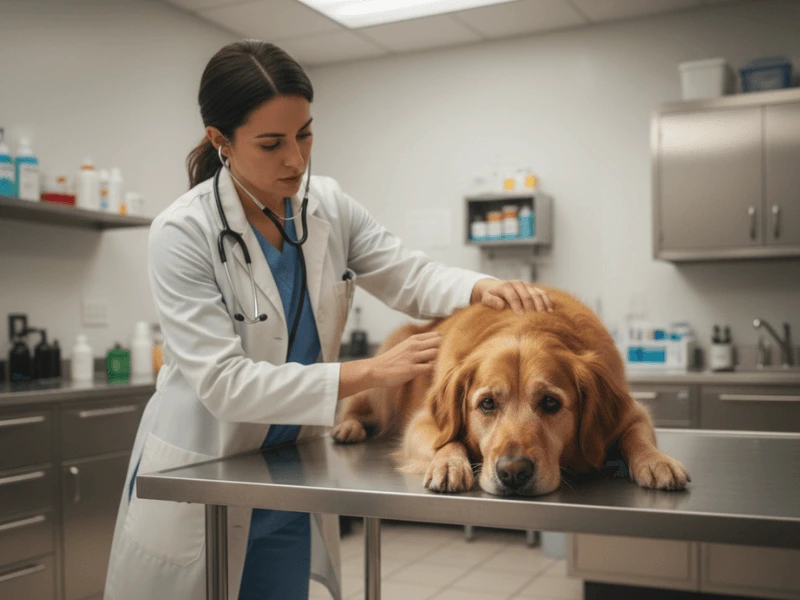
Early detection and prompt action can make a huge difference. Paying attention to changes in playfulness, bathroom habits, coat condition, or unusual vocalizations allows you to catch potential health issues before they become serious. Remember, even small or subtle signs should not be ignored, as dogs often hide pain until it becomes severe.
Key Takeaways for Dog Owners:
- Monitor your dog’s behavior, appetite, and bathroom habits daily.
- Look for physical signs, such as vomiting, diarrhea, coughing, nasal discharge, fever, or swelling.
- Take note of behavioral changes, including irritability, withdrawal, or persistent whining.
- Consult your veterinarian promptly if multiple warning signs appear or if symptoms persist. Early medical attention can prevent minor issues from escalating into serious health problems.
By staying observant and proactive, you ensure that your dog stays healthy, happy, and comfortable. Recognizing the signs of illness early not only protects your pet’s health but also strengthens the bond you share with your furry companion.