
Hound Dog Breed Guide: Traits, Temperament & Care Tips
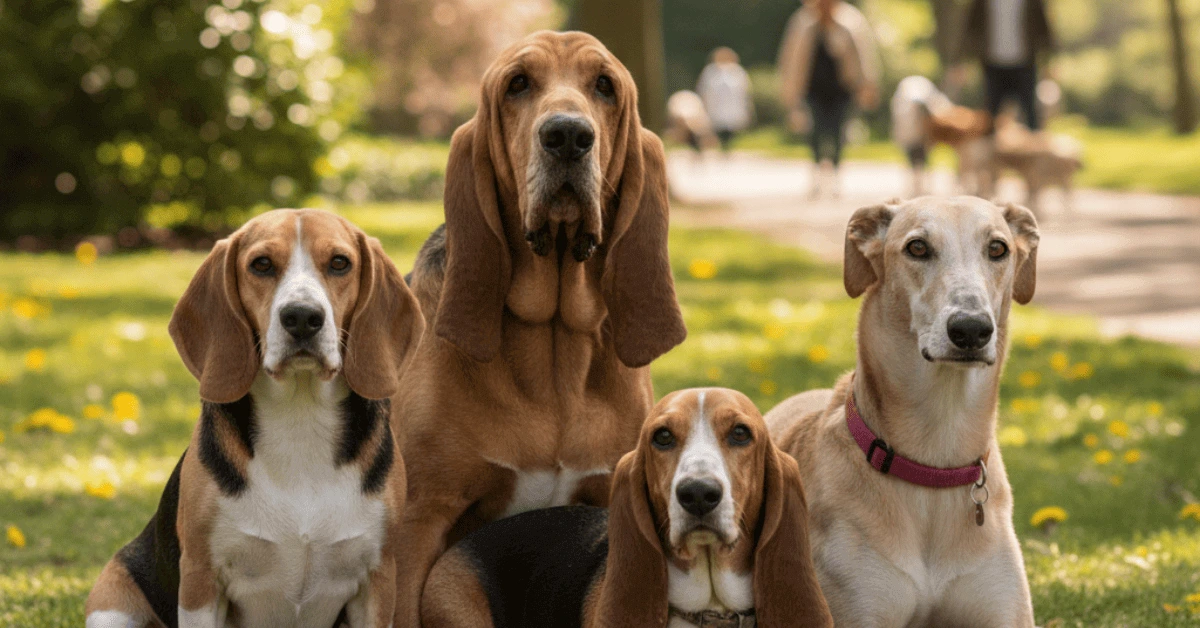
The hound dog breed is one of the oldest and most fascinating groups in the canine world, known for their sharp instincts, remarkable tracking abilities, and loyal nature. Whether they’re following a scent trail for miles or sprinting with incredible speed, hound dogs have a natural talent that sets them apart from other breeds. Today, they’ve become not only exceptional working dogs but also loving family companions with unique personalities and charm.
In this Hound Dog Breed Guide, you’ll discover everything you need to know about their traits, temperament, training needs, grooming tips, and whether this breed is the right choice for your lifestyle. From scent hounds like the Beagle and Bloodhound to sight hounds like the Greyhound and Afghan Hound, this guide will help you understand what makes these dogs so special—and how to care for them properly.
Let’s dive into the world of hound dogs and explore what makes these intelligent, energetic, and loyal companions truly unforgettable.
Understanding the Hound Dog Breed
What Makes the Hound Dog Breed Unique?
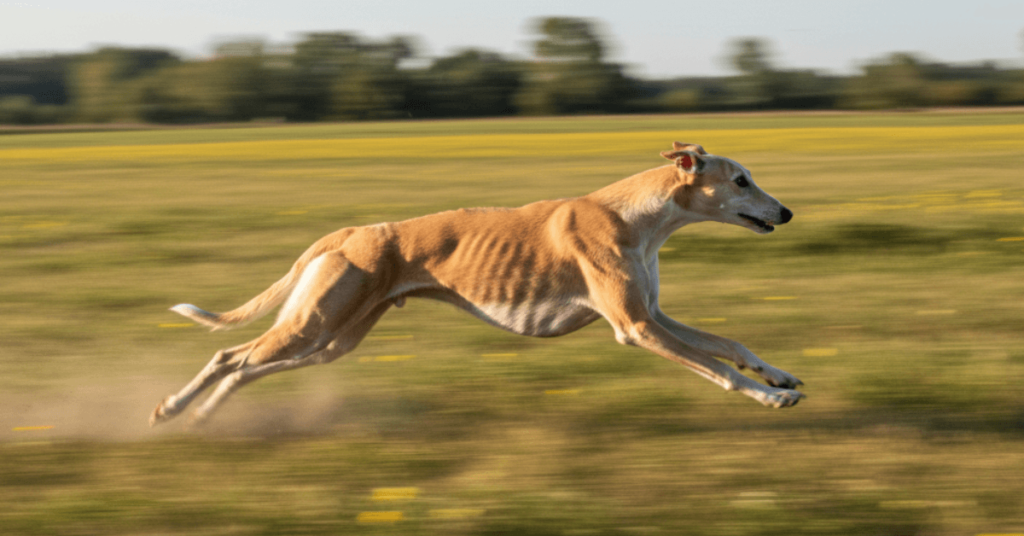
The hound dog breed stands out for its exceptional natural abilities, which have been refined over centuries. Originally developed for hunting and tracking, hounds possess some of the most impressive sensory skills in the canine world. What makes them truly unique is their extraordinary sense of smell, sharp eyesight, and unmatched endurance—qualities that allow them to follow trails, detect scents, or chase fast-moving prey with incredible precision.
Another defining feature of hound dogs is their diversity. The hound group includes both scent hounds, such as the Beagle and Bloodhound, and sight hounds, like the Greyhound and Afghan Hound. While scent hounds rely on their powerful noses to track scents across long distances, sight hounds use their speed and keen vision to spot and pursue prey. This makes the hound group one of the most versatile and specialized categories recognized by the American Kennel Club (AKC).
Beyond their working abilities, hounds are known for their loyal, independent, and gentle temperament. Although they can be stubborn at times due to their strong instincts, they are incredibly affectionate and bond closely with their families. Their combination of intelligence, athleticism, and natural curiosity gives them a personality that is both charming and adventurous.
Whether used for hunting, hiking, running, or simply as family pets, hound dogs bring a unique blend of talent and companionship that makes them beloved worldwide.
Types of Hound Dogs (Scent & Sight Hounds)
The hound dog breed group is divided into two main categories: scent hounds and sight hounds, each developed with specific strengths and abilities. Understanding the difference between these two types is essential when choosing the right hound breed, as their instincts, energy levels, and behaviors can vary widely.
Scent hounds are known for their remarkable sense of smell, which is among the strongest in the animal kingdom. Breeds like the Bloodhound, Beagle, Basset Hound, and Coonhound can follow a scent trail for hours without losing focus. Their noses contain hundreds of millions of scent receptors, making them perfect for tracking, search-and-rescue missions, and detecting even the faintest smell trails. Scent hounds usually have long ears and deep chests, features that help enhance their scent-tracking abilities.
On the other hand, sighthounds rely on their sharp vision and incredible speed. Breeds such as the Greyhound, Afghan Hound, Saluki, and Whippet were originally bred to chase fast-moving prey across open land. These dogs have a sleek, aerodynamic build, long legs, and a powerful stride that allows them to run at impressive speeds. Their keen eyesight enables them to spot movement from great distances, making them natural hunters and excellent running companions.
Both scent hounds and sight hounds share traits like loyalty, independence, and athleticism, but they excel in different ways. Whether you prefer a calm, determined tracker or a fast, elegant sprinter, the hound group offers a wide range of breeds suited for different lifestyles and activities.
Common Physical Traits and Appearance
Although hound dog breeds come in a wide variety of shapes and sizes, they share several physical traits that reflect their hunting origins and natural abilities. These characteristics help them excel in tasks like tracking scents, chasing prey, and covering long distances with ease.
Most hound dogs have a lean, athletic build designed for stamina and endurance. Sight hounds, such as the Greyhound and Whippet, have long legs, deep chests, and streamlined bodies that allow them to reach incredible speeds. In contrast, scent hounds like the Beagle or Basset Hound typically have sturdier frames, long ears, and expressive eyes—features that support scent-tracking by trapping smells and guiding scents toward the nose.
Another distinctive trait of many hound breeds is their coat variation. While some hounds, like the short-haired Redbone Coonhound, have smooth, low-maintenance coats, others such as the Afghan Hound have long, silky fur that requires regular grooming. Coat colors also vary widely across the group, including tricolor, red, black and tan, brindle, and more.
Hound dogs are also known for their unique vocalizations. Many scent hounds have a signature “bay” or howl, a trait historically used by hunters to follow the dog’s location during a chase. Their vocal range adds to their charm but may require training to manage in a family environment.
Overall, the hound dog breed’s appearance is a direct reflection of its purpose, whether built for speed, scent work, or endurance. Despite their differences, all hounds share a graceful, alert, and athletic presence that makes them easily recognizable and beloved among dog enthusiasts.
Temperament & Personality of Hound Dogs
Typical Behavior and Instincts
Hound dogs are known for their distinctive behaviors and strong instincts, which set them apart from many other dog breeds. These traits are deeply rooted in their history as hunting and tracking dogs, making them intelligent, energetic, and highly focused animals.
One of the most notable behaviors of hound dogs is their strong prey drive. Whether it’s a scent hound like the Bloodhound following a trail or a sight hound like the Greyhound spotting movement in the distance, these dogs are naturally wired to track and chase. This instinct can sometimes make them appear independent or stubborn, as they may prioritize following a scent or spotting potential prey over obeying commands.
Hound dogs are also highly social animals with a natural pack mentality. Many breeds enjoy being part of a group, whether it’s a family, other dogs, or even other pets. Their social nature makes them affectionate and loyal companions, but it also means they may experience separation anxiety if left alone for long periods.
Another characteristic behavior is their vocal tendencies. Many hounds, especially scent hounds like Beagles and Bloodhounds, are known for their “baying” or howling. This behavior originally helped hunters locate the dogs during a chase, but in a household setting, it can also indicate excitement, alertness, or a desire for attention.
Finally, hound dogs are often energetic and curious, requiring both mental stimulation and physical activity to stay happy. Without enough exercise, they may become bored or engage in unwanted behaviors such as digging or excessive barking.
In short, the typical behavior of hound dogs is a blend of independence, intelligence, loyalty, and high energy. Understanding these instincts is crucial for providing proper training, socialization, and care, ensuring that your hound becomes a well-behaved and content companion.
How Hound Dogs Act Around Families & Children
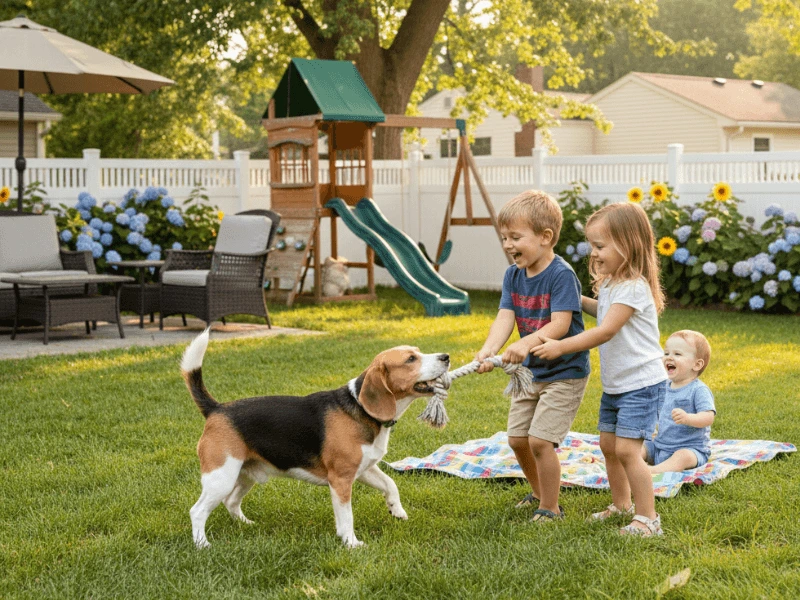
Hound dogs are not only skilled hunters and trackers but also loving and loyal family companions. Their social nature and affectionate temperament often make them excellent pets for households with children, provided they are properly trained and socialized from a young age.
Most hound breeds, such as Beagles, Basset Hounds, and Bloodhounds, are known for their gentle and patient demeanor. They tend to form strong bonds with family members and often enjoy being involved in daily activities, from playtime in the yard to relaxing in the living room. Their natural curiosity and friendly disposition make them engaging companions for children, and many hound breeds are tolerant of the sometimes unpredictable behavior of young kids.
That said, because hound dogs were originally bred for hunting, they can be energetic and excitable, especially when outdoors. Children should be taught how to interact respectfully with these dogs, understanding their boundaries and learning when the dog needs space. Supervision is always recommended, particularly with younger children, to ensure safe and positive interactions.
Hound dogs also thrive in a structured environment. Consistent training and clear boundaries help them channel their energy appropriately, preventing behaviors like excessive barking or chasing small animals indoors. When given the right guidance, they become not only playful companions but also reliable members of the family.
In essence, hound dogs combine loyalty, patience, and affection, making them a wonderful choice for families. With proper care, training, and attention, they can adapt beautifully to family life, offering years of companionship and joy to children and adults alike.
Barking, Howling, and Vocal Habits
One of the most distinctive traits of the hound dog breed is its vocal behavior. Unlike many other dog breeds, hounds are known for their expressive voices, which can include barking, baying, and howling. These vocal habits are deeply rooted in their history as hunting dogs, where communication was essential for tracking and signaling during hunts.
Barking in hounds is often used to alert their owners of strangers or unusual activity. While some hound breeds have relatively moderate barking tendencies, others, especially smaller scent hounds like Beagles, are known for their frequent and high-pitched barks. This trait can make them excellent watchdogs, but it also means that training and socialization are important to prevent excessive noise in a household setting.
Baying is perhaps the most iconic hound vocalization. This long, melodic, and sometimes deep sound is typical of scent hounds such as Bloodhounds and Coonhounds. Historically, baying allowed hunters to locate their dogs during a chase, even from long distances. In modern homes, baying can indicate excitement, a strong scent trail, or simply a desire for attention.
Howling is another common vocal habit among hounds. Sight hounds like Afghan Hounds and Greyhounds may howl less frequently than scent hounds, but they can still produce deep, resonant howls when stimulated by sirens, music, or even emotions like loneliness. Howling serves as a social signal in a pack and helps hounds express themselves in ways other than body language.
Understanding a hound’s vocal habits is essential for prospective owners. While their expressive voices are part of their charm, they also require patience, training, and appropriate outlets for their energy. Providing regular exercise, mental stimulation, and consistent routines can help manage excessive barking or howling, ensuring that their vocal tendencies become a delightful trait rather than a challenge.
In short, barking, howling, and baying are natural and instinctive behaviors for hound dogs, reflecting their intelligence, history, and social nature. When guided correctly, these vocal habits enhance the bond between hounds and their families, showcasing the breed’s unique personality.
Training a Hound Dog Breed
Challenges in Training Hound Dogs
Training a hound dog breed can be both rewarding and challenging due to their unique instincts, intelligence, and independent nature. Understanding these challenges is crucial for any owner looking to raise a well-behaved and happy hound.
One of the primary challenges is their strong prey drive. Hound dogs, whether scent hounds like the Bloodhound or sight hounds like the Greyhound, were bred to follow scents or chase moving objects. This instinct can make them easily distracted during training sessions, as a passing animal or even a faint scent on the ground may capture their full attention.
Another challenge is their independence and stubbornness. Many hound breeds are known for thinking and acting on their own, which can sometimes come across as disobedience. Unlike some highly obedient breeds, hounds may take longer to respond to commands or may selectively listen, especially if they are more focused on tracking or exploring their surroundings.
Hounds can also have high energy levels and curiosity, which requires consistent mental and physical stimulation. Without enough exercise or activities that engage their instincts, they may develop unwanted behaviors such as excessive barking, digging, or escaping.
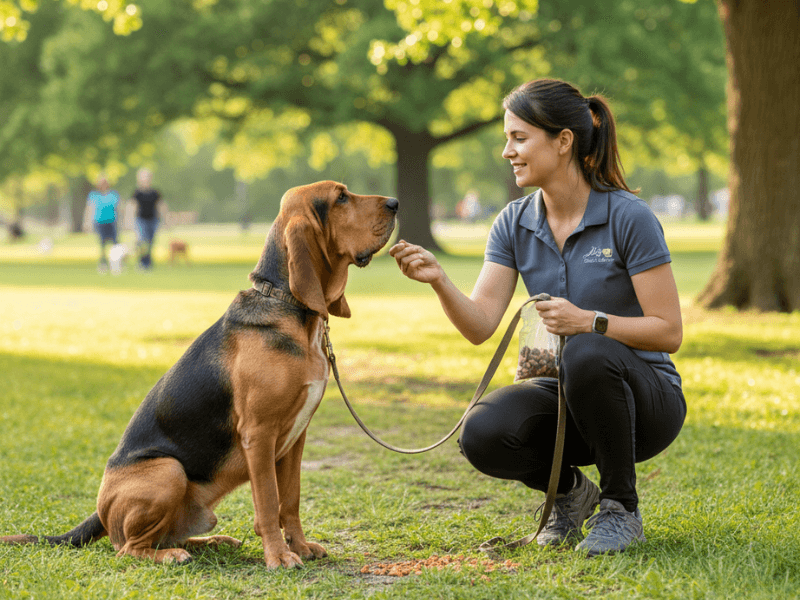
Finally, hound dogs often need patient and positive reinforcement-based training. Harsh correction or inconsistent commands can confuse them or reduce their willingness to cooperate. Because of their sensitive and intelligent nature, hounds respond best to rewards, praise, and activities that incorporate their natural abilities, such as scent games or agility exercises.
In summary, training a hound dog requires patience, consistency, and understanding of their instincts. While their intelligence and curiosity may pose challenges, proper guidance and structured training allow hounds to become loyal, well-mannered, and enjoyable companions.
Effective Training Tips for Hounds
Training a hound dog breed can be a rewarding experience when approached with the right techniques. Because hounds are intelligent, independent, and driven by instincts like scent tracking or chasing, they require structured, patient, and positive training methods. Here are some effective strategies to help your hound thrive:
1. Use Positive Reinforcement:
Hounds respond best to rewards-based training. Treats, praise, and toys are excellent motivators, especially when teaching commands like sit, stay, or recall. Avoid harsh corrections, as they can cause fear or resistance in these sensitive and intelligent dogs.
2. Keep Training Sessions Short and Engaging:
Hounds can get easily distracted by scents or sights. Short, frequent training sessions of 10–15 minutes help maintain focus and keep learning fun. Incorporating games and interactive exercises can make training more appealing and effective.
3. Incorporate Scent and Tracking Games:
Since many hounds are bred as scent hounds, using their natural instincts in training can be very effective. Hide treats or toys and encourage them to track the scent. This not only reinforces obedience but also provides mental stimulation and satisfies their natural hunting instincts.
4. Focus on Recall Training:
Hounds are notorious for following their nose or chasing movement, sometimes ignoring commands. Early and consistent recall training is essential. Use a leash in open areas initially, and gradually increase freedom as reliability improves. High-value rewards when they return help strengthen this behavior.
5. Provide Consistent Structure and Rules:
Hounds thrive with predictable routines and clear boundaries. Consistency in commands, rules, and expectations helps prevent confusion and ensures better long-term behavior. Family members should be aligned in training methods to avoid mixed signals.
6. Socialize Early:
Expose your hound to different people, pets, and environments from a young age. Proper socialization reduces anxiety, aggression, or overexcitement, and helps them adapt well to family life and public spaces.
In essence, the key to effective hound training lies in patience, consistency, and leveraging their natural instincts. By using positive reinforcement, structured exercises, and interactive activities, hounds can learn obedience, build strong bonds with their owners, and become happy, well-mannered companions.
Exercise Needs & Mental Stimulation
Hound dogs are naturally energetic, intelligent, and driven by strong instincts, which means they require both physical exercise and mental stimulation to stay healthy, happy, and well-behaved. Without proper outlets for their energy, hounds can develop boredom-related behaviors such as excessive barking, digging, or even attempts to escape.
1. Daily Physical Exercise:
Most hound breeds, whether scent hounds like Beagles and Bloodhounds or sight hounds like Greyhounds and Afghan Hounds, need at least 1–2 hours of daily activity. Activities can include brisk walks, jogging, fetch, or playtime in a secure yard. Sight hounds, in particular, benefit from short bursts of running at high speeds to satisfy their chasing instincts.
2. Mental Stimulation:
Hounds are highly intelligent and curious dogs. Simple walks may not be enough to keep them mentally engaged. Incorporating puzzle toys, scent games, and obedience exercises helps challenge their minds and channel their natural tracking and problem-solving abilities. For scent hounds, hiding treats around the house or yard can turn a simple game into a rewarding mental exercise.
3. Social Activities and Interaction:
Many hound dogs enjoy social interaction with other dogs or family members. Trips to dog parks, playdates, or group walks provide both physical exercise and social stimulation, reducing the likelihood of behavioral issues caused by boredom or loneliness.
4. Structured Routine:
Creating a consistent daily routine that balances exercise, training, and rest is key for hounds. Structured activity helps regulate their energy levels, encourages good behavior, and strengthens the bond between owner and dog.
In summary, meeting a hound dog’s exercise and mental stimulation needs is essential for their overall well-being. By combining physical activity, interactive games, and structured routines, you can ensure that your hound remains healthy, happy, and a joy to have as part of your family.
Health, Grooming & Nutrition
Common Health Issues in Hound Dogs
Like all dog breeds, hound dogs have specific health concerns that owners should be aware of to ensure a long, happy life. While many hounds are robust and healthy, their unique physical traits and genetics can make them prone to certain conditions. Understanding these common health issues allows for early detection, proper care, and preventive measures.
1. Hip Dysplasia:
Many hound breeds, particularly larger ones like Bloodhounds and Coonhounds, are susceptible to hip dysplasia, a condition where the hip joint doesn’t fit properly into the socket. This can lead to pain, arthritis, and mobility issues. Maintaining a healthy weight, providing regular low-impact exercise, and using joint supplements when recommended by a veterinarian can help manage or reduce the risk.
2. Ear Infections:
Scent hounds and breeds with long, floppy ears, such as Beagles and Basset Hounds, are prone to ear infections. Their ear structure can trap moisture, dirt, and debris, creating an ideal environment for bacteria and yeast. Regular ear cleaning, keeping ears dry after baths or swimming, and routine veterinary checks are essential to prevent infections.
3. Obesity and Weight Management:
Hound dogs, especially Beagles, love food and may overeat if not properly monitored. Obesity can lead to additional health problems like joint stress, diabetes, and heart issues. A balanced diet, portion control, and regular exercise are critical for maintaining an ideal weight.
4. Eye Conditions:
Certain hound breeds are prone to eye problems such as glaucoma, cataracts, or progressive retinal atrophy. Regular eye checks and prompt veterinary attention for any signs of discomfort or vision issues can help protect your hound’s eyesight.
5. Dental Health:
Maintaining good dental hygiene is important for all hounds. Regular brushing, dental chews, and routine veterinary cleanings help prevent gum disease, tooth decay, and bad breath.
6. Breed-Specific Concerns:
Each hound breed may have unique health risks. For example, Greyhounds may be sensitive to anesthesia, while Afghan Hounds can be prone to skin or coat issues. Researching the specific breed and consulting a veterinarian ensures proactive health care.
In conclusion, being aware of these common health issues and maintaining preventive care, proper nutrition, and regular veterinary visits can help your hound dog live a healthy, active, and happy life. Early attention to potential problems is key to enjoying years of companionship with these loyal and intelligent dogs.
Grooming Needs & Coat Maintenance

Proper grooming and coat care are essential for keeping a hound dog breed healthy, comfortable, and looking its best. Because hound breeds vary widely in coat type—from short and smooth to long and silky—their grooming needs also differ, but all require attention and regular maintenance.
1. Coat Brushing:
Short-haired hounds, such as Beagles or Redbone Coonhounds, benefit from weekly brushing to remove loose hairs and distribute natural oils, keeping the coat shiny and skin healthy. Long-haired breeds, like Afghan Hounds or Salukis, require daily brushing to prevent tangles, mats, and debris accumulation. Using breed-appropriate brushes and combs is key to maintaining coat health.
2. Bathing:
Hounds generally do not need frequent baths unless they become dirty from outdoor activities. A bath every 4–6 weeks is sufficient for most breeds, using a gentle dog shampoo to avoid drying out their skin. For breeds with long coats, careful drying and brushing afterward are essential to prevent matting.
3. Ear Care:
Many hound dogs have long, floppy ears, which can trap moisture and lead to ear infections. Regular inspection and cleaning with a veterinarian-approved solution help prevent issues. Keeping ears dry after swimming or bathing is especially important.
4. Nail Trimming and Paw Care:
Regular nail trimming prevents discomfort and walking issues, especially for active hounds that spend a lot of time running outdoors. Checking paws for cuts, foreign objects, or infections is also essential for maintaining mobility and overall health.
5. Dental Hygiene:
Maintaining good dental care is part of a complete grooming routine. Regular brushing, dental chews, and professional cleanings help prevent gum disease and maintain fresh breath.
6. Seasonal Coat Care:
Some hounds shed seasonally, particularly double-coated breeds. During these periods, more frequent brushing helps control shedding and keeps your home cleaner.
In summary, hound dogs require consistent grooming routines tailored to their coat type and lifestyle. By keeping up with brushing, bathing, ear care, nail trimming, and dental hygiene, owners can ensure their hounds remain healthy, comfortable, and beautiful companions for years to come.
Recommended Diet for Hound Dogs
A balanced and nutritious diet is essential to keep your hound dog breed healthy, energetic, and in peak condition. Because hounds are active and often have a strong appetite, proper nutrition is crucial to maintain their weight, support joint health, and fuel their high energy levels.
1. High-Quality Protein:
Protein is the foundation of a hound’s diet, supporting muscle development and overall vitality. Look for dog foods that list meat, poultry, or fish as the primary ingredient. Active breeds like sight hounds may require higher protein levels to sustain their energy during running or hunting activities.
2. Balanced Fats and Carbohydrates:
Fats provide essential energy and help maintain a healthy coat and skin, while carbohydrates supply a steady source of energy for daily activity. Ingredients like whole grains, sweet potatoes, and vegetables offer a good balance of nutrients and fiber for digestion.
3. Portion Control and Feeding Schedule:
Many hound breeds, such as Beagles, are prone to overeating. Portion control and a consistent feeding schedule help prevent obesity and related health problems. Feeding two to three measured meals per day is generally recommended instead of free-feeding.
4. Joint and Bone Support:
Medium and large hounds, including Bloodhounds and Basset Hounds, can be prone to joint issues such as hip dysplasia. Foods enriched with glucosamine, chondroitin, and omega-3 fatty acids can support joint health and mobility.
5. Hydration:
Active hound dogs require constant access to fresh, clean water, especially after exercise or during hot weather. Proper hydration is essential for overall health, digestion, and maintaining body temperature.
6. Treats and Snacks:
Treats are useful for training and rewarding good behavior, but they should be given in moderation to avoid weight gain. Choose healthy, low-calorie treats or incorporate fruits and vegetables that are safe for dogs, such as carrots or apple slices.
By providing a well-balanced diet tailored to your hound’s size, age, and activity level, you can ensure they remain energetic, healthy, and happy. Regular veterinary checkups can also help monitor weight, nutrient intake, and any dietary adjustments needed for long-term wellness.
Is the Hound Dog Breed Right for You?
Ideal Owners and Living Conditions
The hound dog breed can make a wonderful companion, but their unique traits and energy levels mean they are best suited for owners who can meet their physical, mental, and emotional needs. Understanding who makes an ideal owner and the optimal living conditions is crucial for a happy, well-adjusted hound.
1. Active and Engaged Owners:
Hounds are naturally energetic and require daily exercise to stay healthy and well-behaved. Ideal owners are those who enjoy walking, running, hiking, or outdoor activities and are committed to engaging their hound both physically and mentally. Owners who can provide consistent playtime, training, and interactive games will have a strong bond with their dog.
2. Patient and Consistent Trainers:
Because hound dogs can be independent and stubborn, they thrive under owners who are patient, consistent, and use positive reinforcement techniques. Ideal owners understand the breed’s instincts and are willing to dedicate time to training, socialization, and structured routines.
3. Family Compatibility:
Many hound breeds, like Beagles and Basset Hounds, are gentle and affectionate with children, making them suitable for family households. However, supervision is important, especially with young children, to ensure safe and positive interactions. Hounds also appreciate social interaction with other pets when properly introduced.
4. Suitable Living Spaces:
While hound dogs can adapt to apartment living, they generally do best in homes with secure yards or access to open spaces where they can safely run and explore. Fences are essential, as many hounds have strong chasing instincts and may try to follow scents or moving objects. For families without a yard, daily walks, trips to dog parks, and mental enrichment activities are critical to meet their needs.
5. Commitment to Health and Grooming:
Ideal owners understand the importance of routine veterinary care, grooming, and proper nutrition. From maintaining a healthy weight to regular ear checks and coat care, a committed owner ensures the hound remains healthy and happy for many years.
In summary, the ideal hound owner is active, patient, consistent, and committed to meeting the breed’s physical, mental, and emotional needs. With the right environment and care, hound dogs can thrive as loyal, playful, and affectionate family companions.
Pros & Cons of Owning a Hound Dog
Owning a hound dog breed can be a deeply rewarding experience, but like any breed, they come with unique advantages and challenges. Understanding the pros and cons helps prospective owners make an informed decision and ensures a happy, harmonious relationship with their pet.
Pros:
1. Loyal and Affectionate Companions:
Hound dogs are known for their strong bonds with family members. Breeds like Beagles and Basset Hounds are affectionate, gentle, and thrive on attention, making them loving companions for both children and adults.
2. Intelligent and Skilled:
Many hounds possess exceptional tracking, hunting, and problem-solving skills. Their intelligence allows them to learn commands, participate in agility or scent games, and enjoy mentally stimulating activities.
3. Energetic and Playful:
Hounds are active dogs that enjoy outdoor activities and exercise. Their energy makes them great partners for walks, runs, hiking, or interactive games, encouraging a healthy, active lifestyle for their owners.
4. Unique Personality and Character:
Hounds are charming, curious, and often expressive with their distinctive baying or howling. Their playful and adventurous personality can bring joy and entertainment to any household.
Cons:
1. Strong Prey Drive:
Many hounds have a natural instinct to chase scents or moving objects, which can make off-leash walks risky unless properly trained. This trait requires vigilant supervision and secure, fenced areas.
2. Independent and Stubborn:
Hounds can be independent thinkers, which sometimes makes training more challenging. Consistency, patience, and positive reinforcement are essential to teach them obedience.
3. High Exercise and Mental Stimulation Needs:
Without sufficient physical activity and mental challenges, hounds can become bored, anxious, or develop destructive behaviors. Prospective owners must be ready to dedicate time for daily exercise and enrichment.
4. Vocal Tendencies:
Barking, baying, or howling is natural for many hound breeds. While it is part of their charm, it may require training to manage, especially in apartments or close-knit neighborhoods.
5. Grooming and Health Care Requirements:
Depending on the breed, hounds may need regular grooming, ear care, and preventive veterinary visits. Long-haired hounds like Afghan Hounds require more intensive coat maintenance, while scent hounds are prone to ear infections and obesity.
In conclusion, owning a hound dog can be incredibly rewarding for the right owner. Their loyalty, intelligence, and playful nature make them wonderful companions, but their independence, energy, and instincts require thoughtful care and commitment. For those prepared to meet their needs, hound dogs offer years of love, companionship, and joy.
How to Choose the Right Hound Breed
Choosing the right hound dog breed requires careful consideration of your lifestyle, home environment, and the breed’s unique characteristics. Hounds vary widely in size, temperament, energy levels, and grooming needs, so selecting the right breed ensures a happy and harmonious relationship between you and your new companion.
1. Assess Your Lifestyle and Activity Level:
Hound dogs can range from highly energetic sight hounds like Greyhounds and Afghan Hounds to more moderate-energy scent hounds like Basset Hounds and Beagles. If you lead an active lifestyle with regular outdoor activities, a high-energy breed may be a perfect fit. For a quieter household, a breed with lower exercise requirements might be more suitable.
2. Consider Your Living Space:
Space requirements differ among hounds. Larger breeds or highly active sight hounds often need fenced yards or access to open areas for safe exercise. Smaller scent hounds can adapt to apartment living if provided with daily walks and mental stimulation. Evaluating your home environment helps match the breed’s needs to your available space.
3. Evaluate Grooming and Care Requirements:
Coat type and maintenance vary significantly. Long-haired breeds, such as Afghan Hounds, require daily brushing and regular grooming, while short-haired breeds like Beagles need minimal coat care. Consider how much time and effort you can realistically dedicate to grooming before choosing a breed.
4. Consider Family and Other Pets:
Some hound breeds are highly social and excellent with children and other pets, while others may have stronger hunting instincts that require supervision. Beagles, Basset Hounds, and Coonhounds generally adapt well to family life, whereas sight hounds may need structured socialization and careful introductions with other animals.
5. Research Breed-Specific Health Concerns:
Each hound breed may have unique health risks, such as hip dysplasia, ear infections, or eye conditions. Understanding these potential concerns helps you prepare for proper care, preventive measures, and veterinary support.
6. Match Temperament and Personality:
Consider whether you want a hound that is independent and stubborn, like many scent hounds, or a breed that is more relaxed and gentle. Understanding the typical temperament and behavior of the breed will help ensure a good fit for your family and lifestyle.
By carefully evaluating energy levels, living conditions, grooming needs, temperament, and health considerations, you can select the hound dog breed that best fits your lifestyle. The right match ensures a strong bond, fewer challenges, and a rewarding relationship with your loyal and loving hound companion.
Summary
The hound dog breed is a fascinating and diverse group of dogs, celebrated for their intelligence, loyalty, and remarkable abilities. From the keen-nosed scent hounds like Beagles and Bloodhounds to the fast and elegant sight hounds like Greyhounds and Afghan Hounds, each breed has unique traits that make them special companions.
Understanding a hound’s temperament, behavior, and instincts is key to providing a happy and healthy life. Hounds are affectionate, social, and often great with families, but they also require patience, consistent training, and outlets for their natural energy and hunting instincts. Their distinctive vocal habits, including barking, baying, and howling, are part of their charm but may need guidance to fit into a household environment.
Proper exercise, mental stimulation, diet, and grooming are essential for hound dogs. Regular walks, interactive games, and structured activities help keep them physically and mentally healthy. A balanced diet, consistent grooming, and preventive healthcare support longevity and overall well-being, ensuring your hound thrives.
Choosing the right hound breed involves assessing your lifestyle, activity level, living environment, and family dynamics. With careful consideration, proper care, and plenty of love, hound dogs can become loyal, playful, and devoted members of your family.
In essence, owning a hound dog is a rewarding journey filled with companionship, adventure, and joy. By understanding their unique needs and providing the right environment, you can enjoy years of happiness with a hound dog that perfectly fits your life.